
Culinary Travel Adventures for Flavor Lovers

The world becomes irresistible when explored through taste. Flavor seekers crave journeys shaped by scent, texture, and tradition, and nothing satisfies that wanderlust like adventure culinary travel. The first bite in a new destination often reveals more than a guidebook ever could. It brings culture, memory, and discovery together in a single sensory moment.
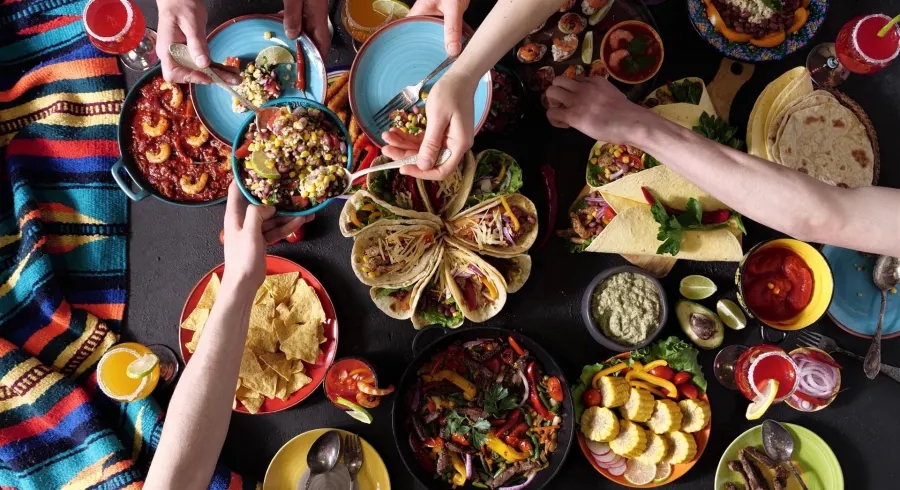
Immersion Through Global Gastronomy
Food carries the essence of a place. It reflects climate, heritage, technique, and community values. Travelers who pursue culinary discovery unlock perspectives that remain hidden to the casual visitor. A steaming bowl of broth from a street stall, a warm pastry from a family bakery, or a ceremonial feast in a remote village each tells a narrative that enriches understanding of the surrounding world.
Short encounters with local cuisine often lead to lasting impressions. Regions express their identity through ingredients shaped by local soil and climate. These elements create a flavor profile that can never be replicated elsewhere. The more one ventures into local kitchens, the clearer these distinctions become. Culinary exploration becomes an intimate study of culture itself.
Discovering the Unexpected
Flavor centered travel thrives on surprise. A modest food cart may serve a dish that alters expectations of an entire cuisine. A quiet countryside market might introduce ingredients travelers have never encountered. These unexpected gems turn simple meals into grand revelations. Curiosity becomes the compass, guiding travelers away from predictable dining and toward extraordinary discoveries.
The magic of culinary discovery often lies in the unfamiliar. Uncommon spices, rare cooking methods, and unexpected pairings reshape the palate. Travelers learn to embrace unpredictability. They develop confidence by stepping into local eateries without preconceived assumptions. Each taste experience becomes a rewarding leap into deeper cultural understanding.
Connecting with Local Artisans
Every remarkable dish begins in the hands of dedicated creators. Culinary travel brings explorers face to face with the artisans behind the flavors. Farmers nurturing heirloom crops, fishers using ancestral techniques, and bakers perfecting age old recipes form the backbone of each region’s gastronomic identity.
Meeting these experts elevates appreciation for the craft. Travelers witness the precision required to produce a signature ingredient or specialty dish. They observe processes passed down through generations and gain insight into the perseverance that shapes culinary traditions. These encounters enhance respect for the cultural ecosystem that keeps regional flavors alive.
Market Adventures That Spark Curiosity
Local markets serve as both culinary playgrounds and cultural hubs. They pulse with energy, showcasing the freshest ingredients and the proudest producers. Travelers wandering through these markets absorb vibrant colors, aromatic spices, and lively interactions. Each stand offers a micro story that reveals how communities eat, trade, and celebrate.
Tasting ingredients at their source sharpens understanding of regional cuisine. Exotic fruits, artisanal cheeses, fermented delicacies, and freshly ground spices demonstrate the diversity of each locale. Markets are immersive classrooms where travelers learn through exploration and interaction.
Hands On Exploration Through Cooking Experiences
Participating in cooking sessions adds a tactile dimension to culinary travel. Local chefs share techniques that define regional dishes. Visitors learn to knead, grind, marinate, simmer, and plate using methods refined over centuries. These sessions provide authentic engagement with traditional culinary systems.
Hands on practice anchors new knowledge in memory. Travelers return home with skills that allow them to recreate the flavors they encountered abroad. Cooking becomes a tangible reminder of the cultures that shaped their journey. It transforms the experience from momentary enjoyment into long term connection.
Street Food That Defines Urban Identity
No culinary exploration is complete without embracing street food. This domain reflects the heartbeat of a city. It offers swift access to bold flavors crafted with efficiency and expertise. Street vendors master dishes that blend practicality with heritage, creating iconic staples that locals consume daily.
Sampling street food reveals the communal spirit of each destination. Visitors share counters, benches, and open air tables with residents. These brief interactions provide social insight while celebrating flavor. The simplicity of street dining often captures the essence of a city more effectively than elaborate dishes.
Sustainability as a Guiding Principle
Culinary travelers increasingly consider the impact of their choices. Supporting environmentally conscious eateries, choosing seasonal ingredients, and respecting local traditions strengthen culinary ecosystems. Thoughtful decisions preserve heritage and contribute to long term food security.
Sustainable culinary exploration builds bridges between cultures and ecosystems. It encourages mindful consumption and fosters awareness of how food influences communities. Responsible choices allow travelers to enjoy global flavors while contributing to preservation efforts that protect culinary identities.
The Enduring Value of Culinary Exploration
Culinary travel leaves impressions that linger long after the journey ends. Aromas evoke memories, flavors recall stories, and dishes transport travelers back to vibrant moments abroad. These sensory imprints become treasured souvenirs that shape future adventures.
Flavor lovers continue exploring with renewed enthusiasm. They seek destinations that challenge their palates and broaden their worldview. Culinary travel transforms each journey into a narrative driven by taste, curiosity, and cultural connection.


