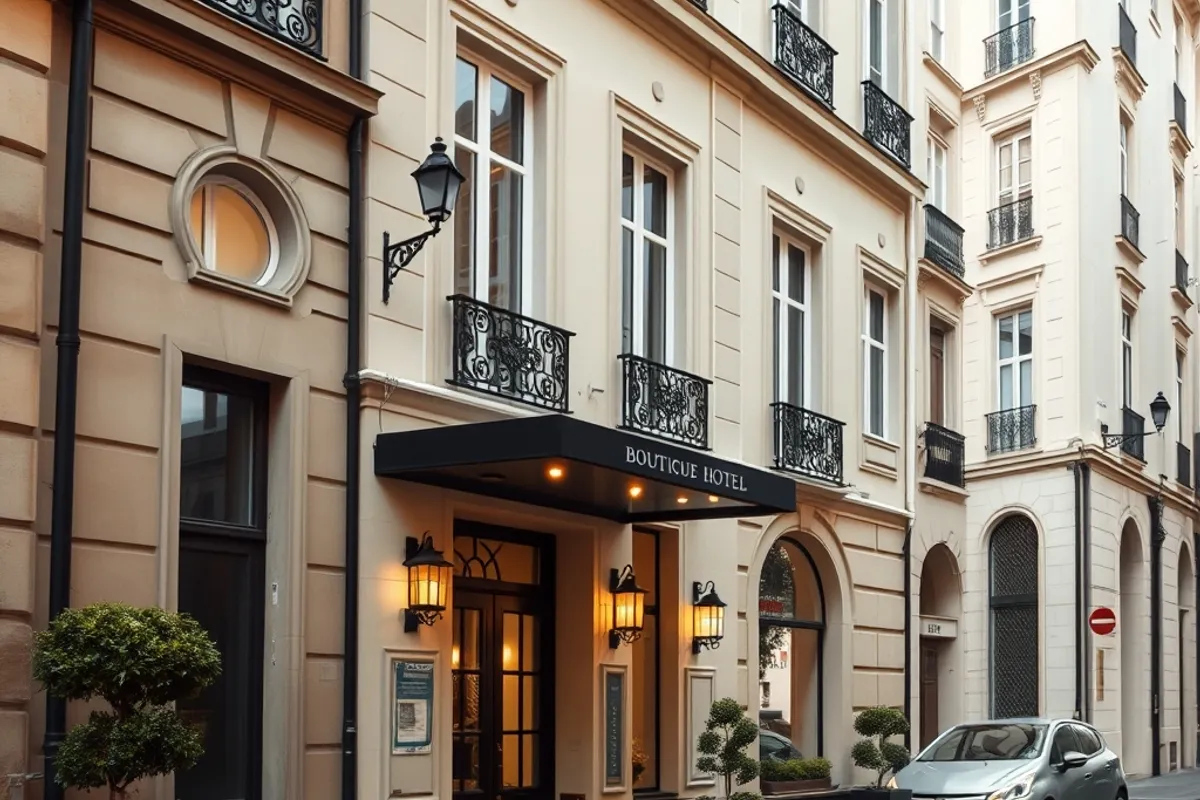
Check-in is the fifteen minutes that set the tone for a whole trip, and most travelers treat it as an afterthought. A few small habits in 2026 turn that desk visit from a lottery into something you can steer, whether you want a better room, an earlier key, or a fair answer on fees. None of it requires status or a special rate, only knowing what to ask and when to ask it.

Why check-in time shapes your whole stay
Front desks assign rooms from a live board, not a fixed map. The rooms you most want are gone by late afternoon, claimed by guests who arrived early or asked clearly. Time your arrival and you move up that list.
Late-evening arrivals get whatever is left, often near the elevator or above the loading bay. If your flight lands at night, message the hotel that morning to hold a quieter room and confirm it is still on the board. A single message often decides whether you sleep well or hear the dumpster truck at five.
How to land an early check-in
Call or message the morning of arrival, not at the desk. Ask whether an early room is possible and mention any loyalty status in the same breath. Houses are far more flexible before the rush than during it.
If the room truly is not ready, ask them to store your bags and take your mobile number. Many properties will text you the moment it is clean, which beats waiting in the lobby with a suitcase for three hours.

The upgrade question worth asking
Ask once, plainly, and give a reason. "We are here for an anniversary, is a higher floor possible" works better than a vague request. Staff want to help, but they need something specific to act on, and a clear ask is easier to grant.
Framing matters. Ask what an upgrade would cost rather than demanding a free one. Often the paid difference is $30, and you can decide whether a larger room or a view is worth it before you commit. A free upgrade is nice, but a clear price for one is better, because it lets you judge value.
The desk reads tone first and reason second, so be the calm guest they want to help.
Fees that appear at the desk
Resort and destination fees are the usual surprise. In US cities these run $25 to $45 a night and may cover little beyond the gym and slow wifi. Ask what the fee includes before you sign anything, and get the total in writing if the desk seems unsure.
Parking is the second shock, often $40 to $70 a night downtown. Compare that against a nearby garage using our city guides for practical neighborhood notes.

Loyalty programs still matter
Status quietly changes the check-in experience. It puts you on the upgrade list, waives some fees, and gets problems resolved faster. Even mid-tier status at a major chain tends to beat arriving with no history at all, and the gap shows most on a busy night.
If you book through a third party, add your loyalty number at the desk anyway, politely and with the confirmation in hand. Some houses will still credit the stay, and it keeps your record alive for the next trip. Compare carrier perks in our airline review before booking flights.

When something goes wrong
Report the problem while you are still standing at the desk. A noisy room, a broken shower, or a smell you cannot place is easy to fix in the first ten minutes and hard to fix at 11pm, once the desk is running on a skeleton crew.
Keep it specific and calm. Name the issue, say what would fix it, and let them choose the remedy. Most desks have spare rooms and modest authority to move you, and they use both for guests who are reasonable rather than loud. Keep the nearest hospital noted on your phone, too, and the American Red Cross travel safety checklists at redcross.org are a sensible five-minute read.
A thirty-second pre-arrival checklist
Before you travel, confirm the total including taxes and fees, save the direct hotel number, and note the check-in time in your calendar with a reminder the morning of arrival. Three small steps remove most of the friction.
Keep a receipt for any deposit and read it before you leave the desk. Errors get corrected same-day far more easily than they do after you fly home, when your only option is a slow email chain.