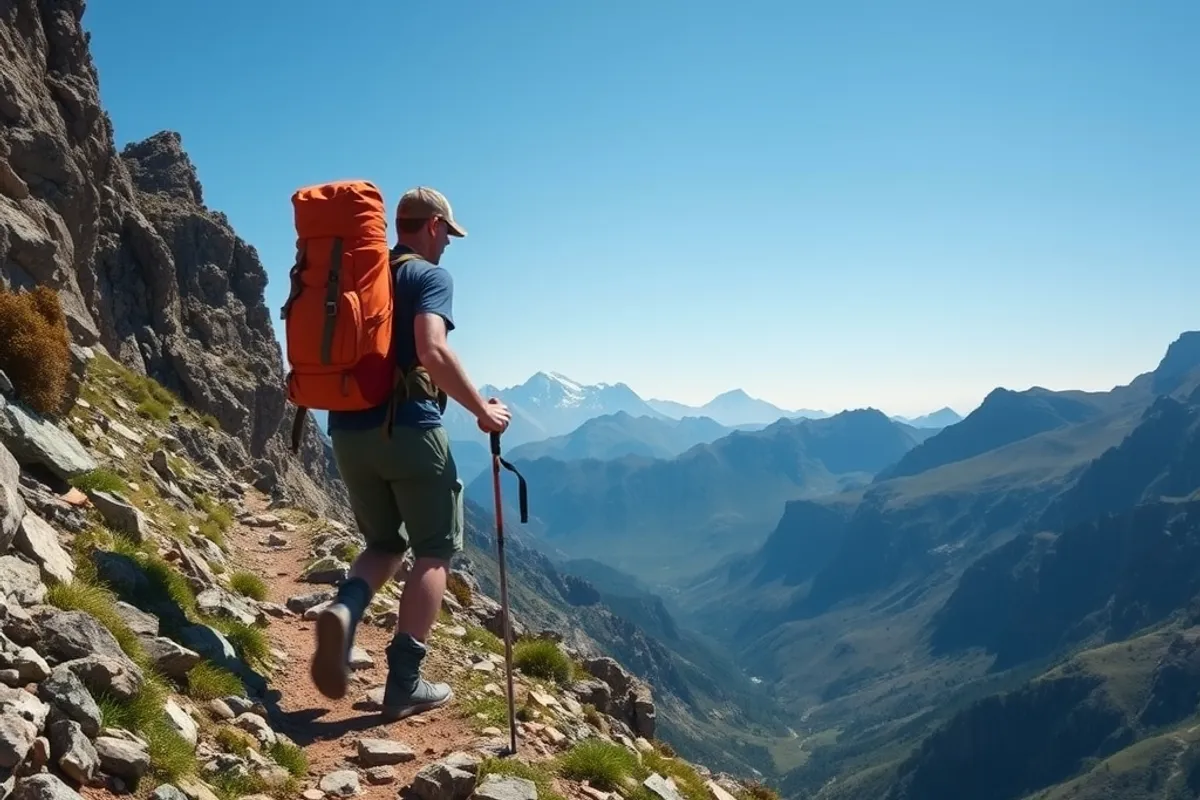
A packing list only earns its keep after a wet, cold, or delayed trip. This one has been carried through Scottish rain, Andean altitude, and a lost airline bag. It fits a 40-litre carry-on for most trips and stays under 10 kilograms dry.
Start With Layers, Not Gadgets
Build around three layers: a moisture-wicking base, an insulating midlayer, and a windproof shell. Merino wool resists odour across several days, which matters when laundry is scarce. Synthetic fabric dries faster but holds smell. Cotton is comfortable in a hostel and dangerous on a wet ridge. Two pairs of gloves, one thin liner and one waterproof, cover most cold mornings.
Pack two base layers, one midlayer, and one shell for a week. Wash one base each night and it will dry by morning in most climates. Our adventure section has route-specific gear notes.
Footwear for Mud, Rock, and River Crossings
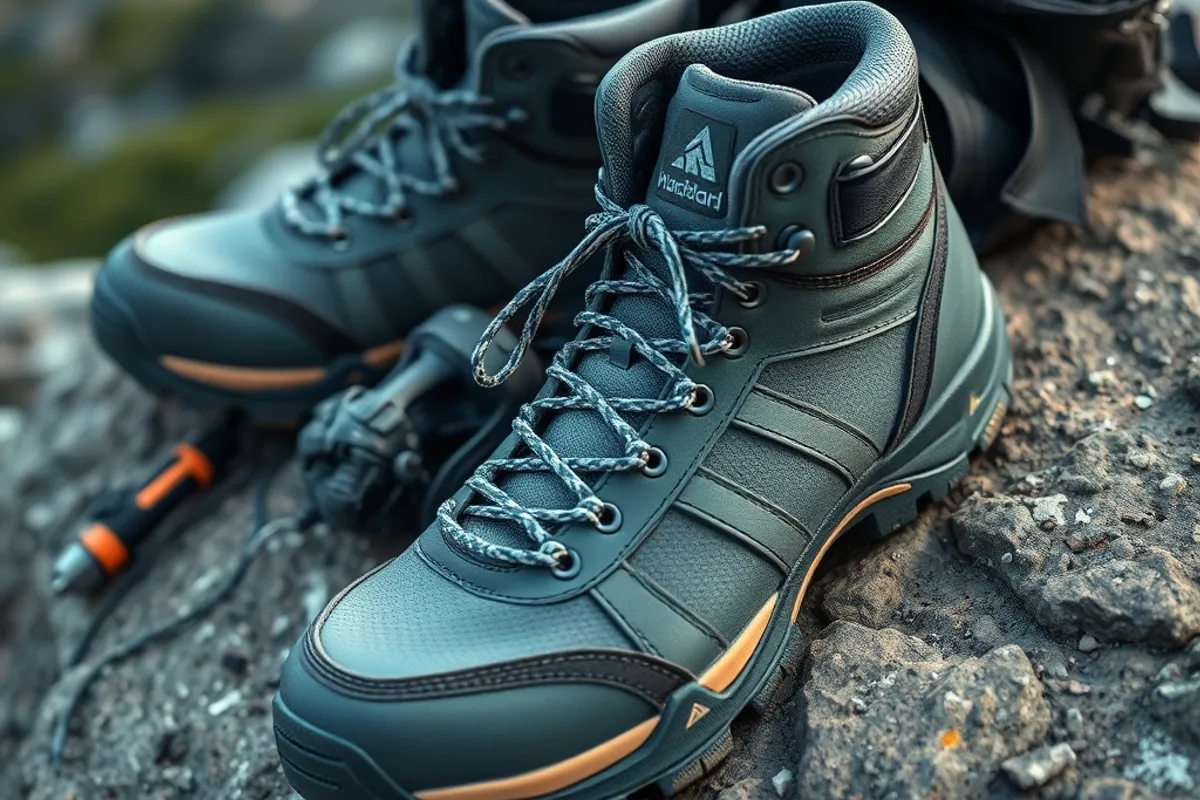
Bring broken-in boots or trail runners that match your terrain. Firm rock and scree favour a stiffer sole; muddy forest and river crossings favour a grippier, lighter shoe. Never debut new footwear on a trip. Buy a half size up, because feet swell on long descents. Pack a small roll of repair tape for a failing sole or a torn lacing.
Add one pair of camp sandals and two spare pairs of wool socks per week. Blisters come from damp socks more than bad boots, so change them at lunch on long days.
Electronics and Power on the Trail
Carry a 10,000 mAh power bank, a short cable, and a plug adapter for the region. A headlamp beats a phone torch when both hands are busy. Keep a small dry bag for anything with a battery.
Download offline maps before you leave signal range. A power bank recharges a phone about twice, so huts with outlets are worth the extra cost. Bring a printed backup of your route and bookings. A spare charging cable has saved more trips than any other small item on this list.
A Medical Kit You Will Actually Use
Pack blister plasters, pain relief, rehydration salts, and any prescription medicine in original packaging. Add a roll of tape, antiseptic wipes, and tweezers. Most injuries on the trail are feet and knees, not emergencies. Repack the kit in a clear pouch so you find dressings in the dark. A strip of antihistamine tablets handles sudden insect reactions.
Read the Red Cross guidance on basic first aid before you travel. Know how to treat a blister and a twisted ankle, because help is often hours away.
Carry-On Rules and Airline Limits
Most airlines allow a 55 by 40 by 20 centimetre bag plus one personal item. Liquid rules still cap containers at 100 millilitres in many countries. Keep trekking poles, knives, and fuel bottles out of cabin bags entirely. Budget airline cabins vary, so measure your packed bag before the airport. Wear your heaviest layers onto the plane when your bag sits close to the limit.
Weigh your bag at home; a fully loaded 40-litre pack can creep past 10 kilograms. If you check the bag, split essentials between both bags in case one is delayed.
Pack by Weight: What Goes in Each Zone
Heavy items sit close to your spine and high in the pack. Put the sleeping bag and clothes at the bottom, food and stove in the middle, and rain gear on top for quick access. Keep water and snacks in side pockets. A sleeping bag liner adds warmth and keeps the bag clean on rented trips. Line the pack with a dry bag or bin liner to keep rain out of everything.
- Base: two merino tops, one fleece, one shell
- Feet: boots, sandals, three pairs of socks
- Sleep: liner and a bag rated to the trip low
- Kitchen: stove, pot, lighter, water filter
Target a base weight near 7 kilograms before food and water. Every extra kilogram costs energy on every climb. Weigh everything, then leave behind whatever you did not use last trip.
A Final Night-Before Check
Lay everything out the night before and walk through the trip in your head. Charge devices, fill water bottles, and set out tomorrow's layers. Check the forecast one last time and adjust the shell or insulation. A short checklist taped inside the lid catches the items that slip your mind. Leave a copy of your itinerary at home before you set off.
Tell someone your route and expected return time, even on a short trip. For flights and connections, our flight tips cover the timing buffers that save missed departures.
Carry less than you think you need, and the trip will feel lighter by the second day.