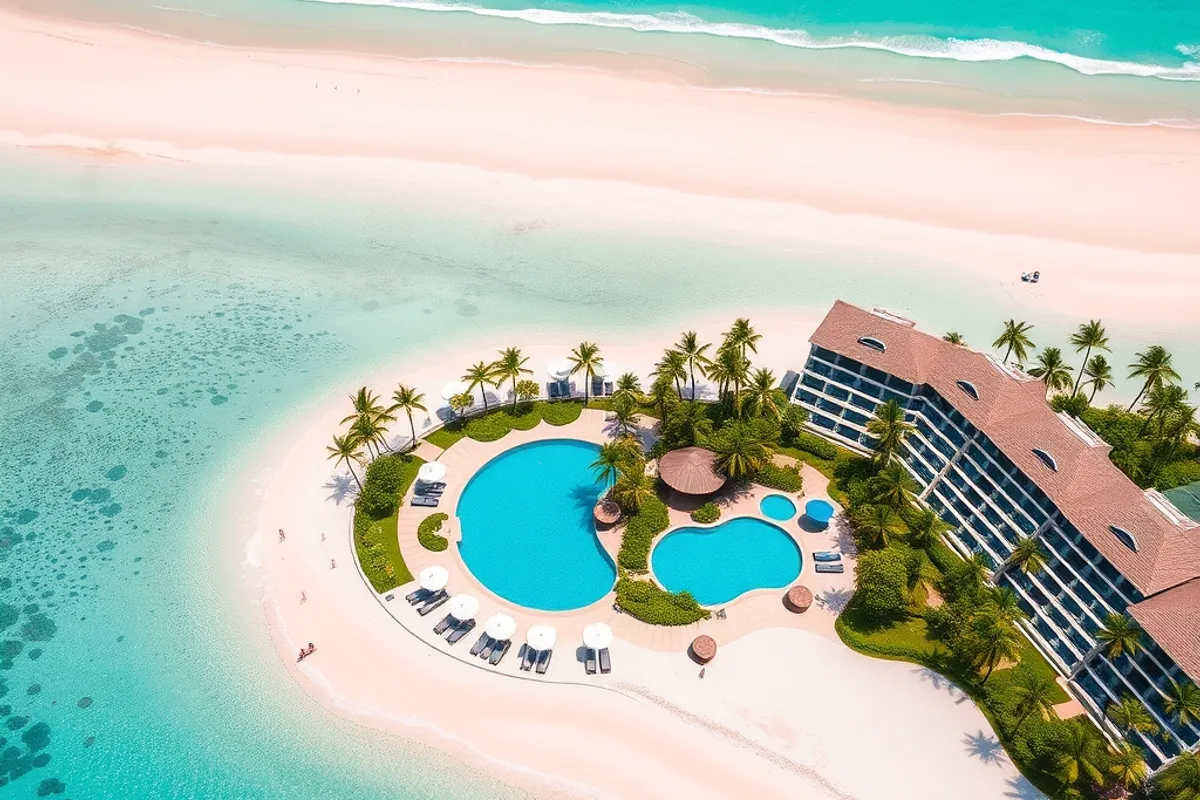
All-inclusive sounds simple until you read the fine print. We stayed at eleven such resorts in 2026, from Cancun to the Maldives, and tracked every charge that appeared on the final bill. Here is how the model really works, and where it quietly costs more than a simple room-only booking would have.

What the nightly rate actually covers
The base rate usually covers the room, three meals at the buffet, local alcohol, and non-motorized water sports. It rarely covers premium liquor, spa treatments, or dining at the a la carte restaurants beyond a set number of visits per stay. Airport transfers are often excluded too.
Read the inclusions list before you book. Two resorts can look identical on price and differ by hundreds of dollars once you add transfers, room service, and a single bottle of wine at dinner.
The fees that hide outside the rate
Resort fees, gratuity surcharges, and a nightly environmental tax show up at checkout in many Caribbean markets. Some properties charge for in-room Wi-Fi while making it free in the lobby, which tells you the fee is about revenue rather than cost.
Ask for the total in writing before you pay a deposit. A rate quoted at 400 USD is often 470 USD by the time the folio closes.
- Environmental tax: 2 to 5 USD per person, per night.
- Mandatory gratuity: 10 to 15 percent at some Mexican resorts.
- In-room safe: 4 to 8 USD per day in a few markets.
- Late checkout: often half the nightly rate.

Tipping in an all-inclusive resort
Staff at these resorts are often paid low base wages, and tips make up the difference. Carry small bills for the bartender, the housekeeper, and the beach attendant who drags your lounger into the shade each morning.
A dollar or two per round is common in the Caribbean, while Mexico and the Maldives vary widely by property. Ask the concierge what locals consider normal instead of guessing, and budget roughly 20 USD per day for a family. Keep the bills dry in a small pouch, because wet cash is hard to hand over and the staff will not ask twice.
Food quality: buffet versus a la carte
Buffets at large properties rotate themes and can be genuinely good at lunch. Dinner is where quality drops, because a single line serving eight hundred guests cannot cook to order. The food is safe and plentiful, but it is not the reason to book.
The a la carte restaurants are the reason to choose a mid-tier property over the cheapest one. Reserve them on arrival, and check whether the number of visits is capped per week before you plan your dinners.
A buffet that keeps eight hundred guests fed is admirable, but it is not the same as dinner cooked when you sit down.

Alcohol, and what premium actually means
House brands are usually domestically produced spirits, and they are fine in mixed drinks. Premium brands, imported wine, and champagne sit outside the plan at most resorts, sometimes at prices that rival a city steakhouse.
Watch the wine list closely. A single bottle can cost more than a night at a budget property, and the plan rarely discounts it. If you drink wine with dinner, ask for the house pour and confirm it is included.
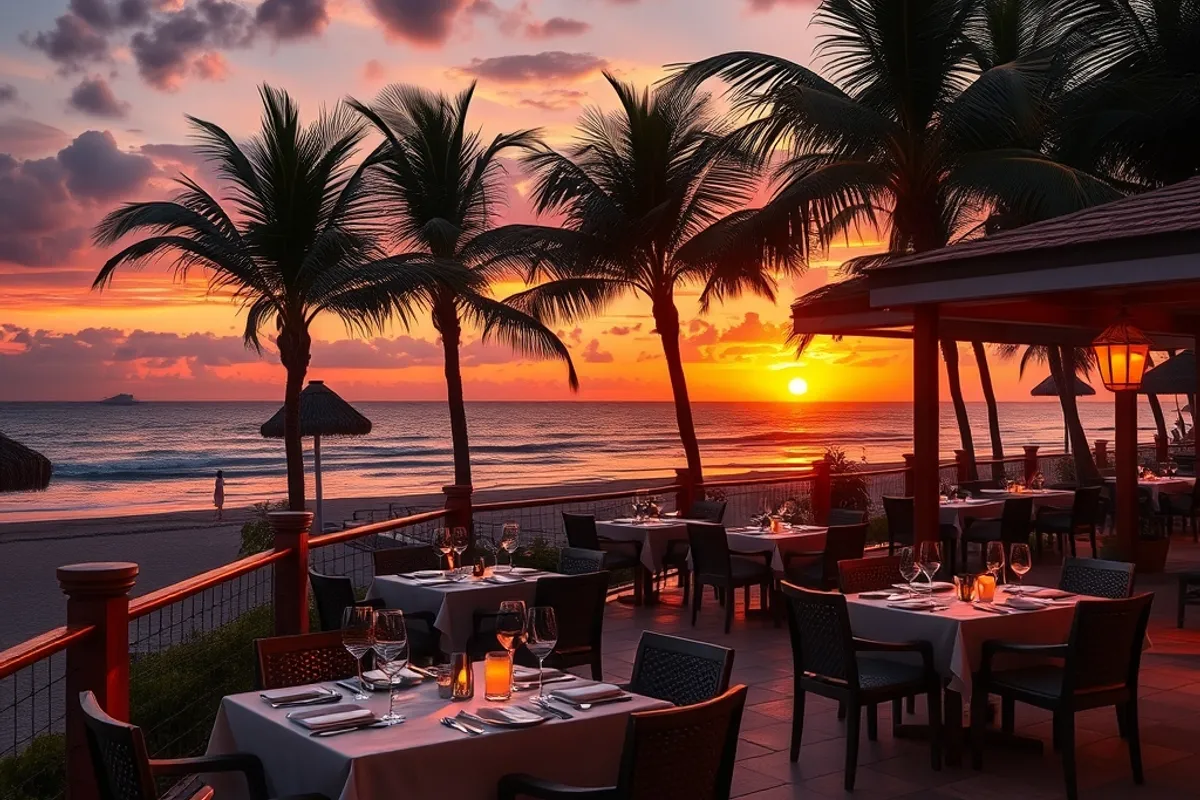
When all-inclusive is worth it
The model pays off for families who eat three meals on site and drink at the pool, and for travelers staying a week or less. It loses value for anyone who leaves the property for most meals, since you are paying twice for food you never eat. Count the nights honestly, and remember that most guests skip at least one dinner off property.
Compare the total against a room-only rate plus a realistic food and drink budget. Our check-in tips cover how to request the full inclusions list without holding up the front desk.
Booking strategy that saves money
Book direct when the resort offers a rate match, because the chain often adds resort credit that online travel agencies cannot. If a package bundles flights, price the two separately first, since the bundle is not always the cheaper option.
Storm season runs June through November, and the national forecast is what most insurers reference when you file a claim. See our beach resort roundup for properties where the plan delivered on its promises. Browse the wider hotel section if you prefer room-only instead.