Lisbon in 2026 is a hillside city best walked in short bursts and crossed by tram. Seven hills, tiled facades and a wide river shape how visitors move and where they sleep. This guide covers neighborhoods, tickets, food and the Sintra day trip.
Neighborhoods: Alfama, Baixa and Principe Real
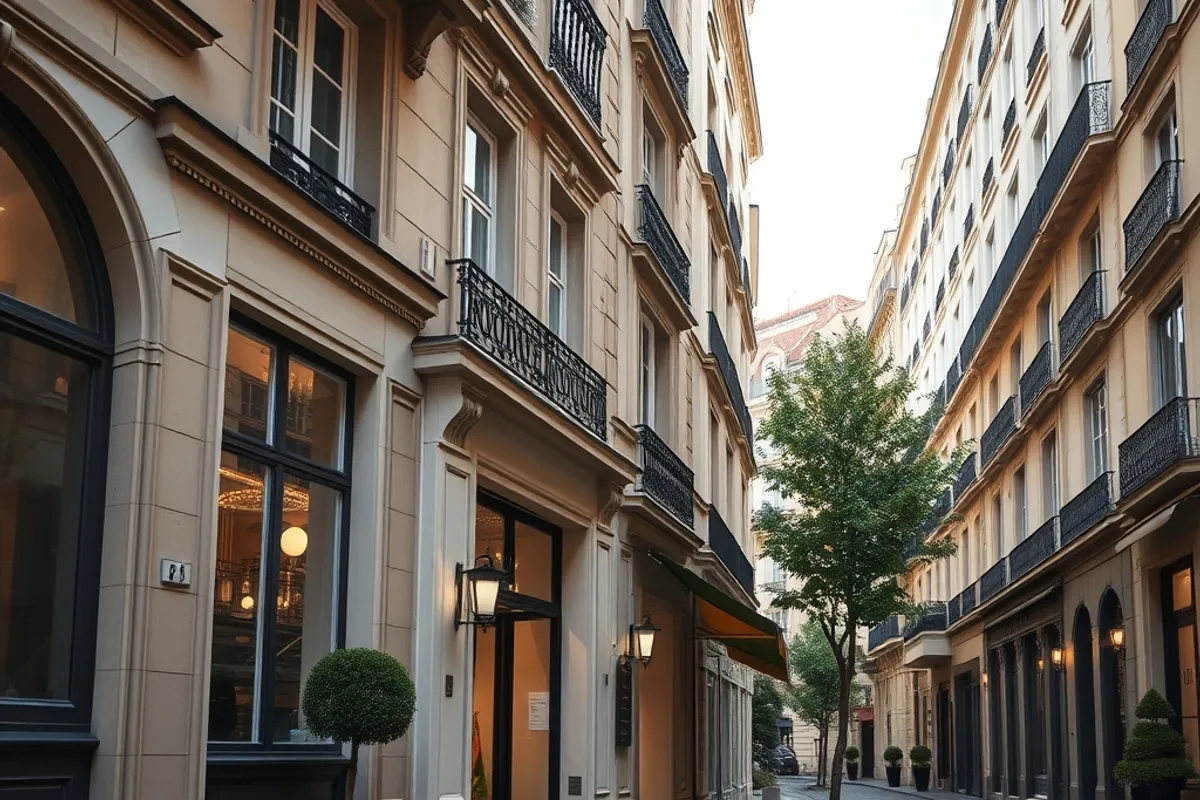
Alfama keeps narrow lanes, fado houses and river views below the castle. Baixa sits flat between two squares and suits first-time visitors who want walkable streets. Principe Real draws locals for boutiques, gardens and quieter evenings. Each area changes character within a few blocks.
Sleep in Baixa for convenience, Alfama for atmosphere or Principe Real for calm. Chiado and Santos round out the center for dining and galleries.
Trams, Metro and Getting Around
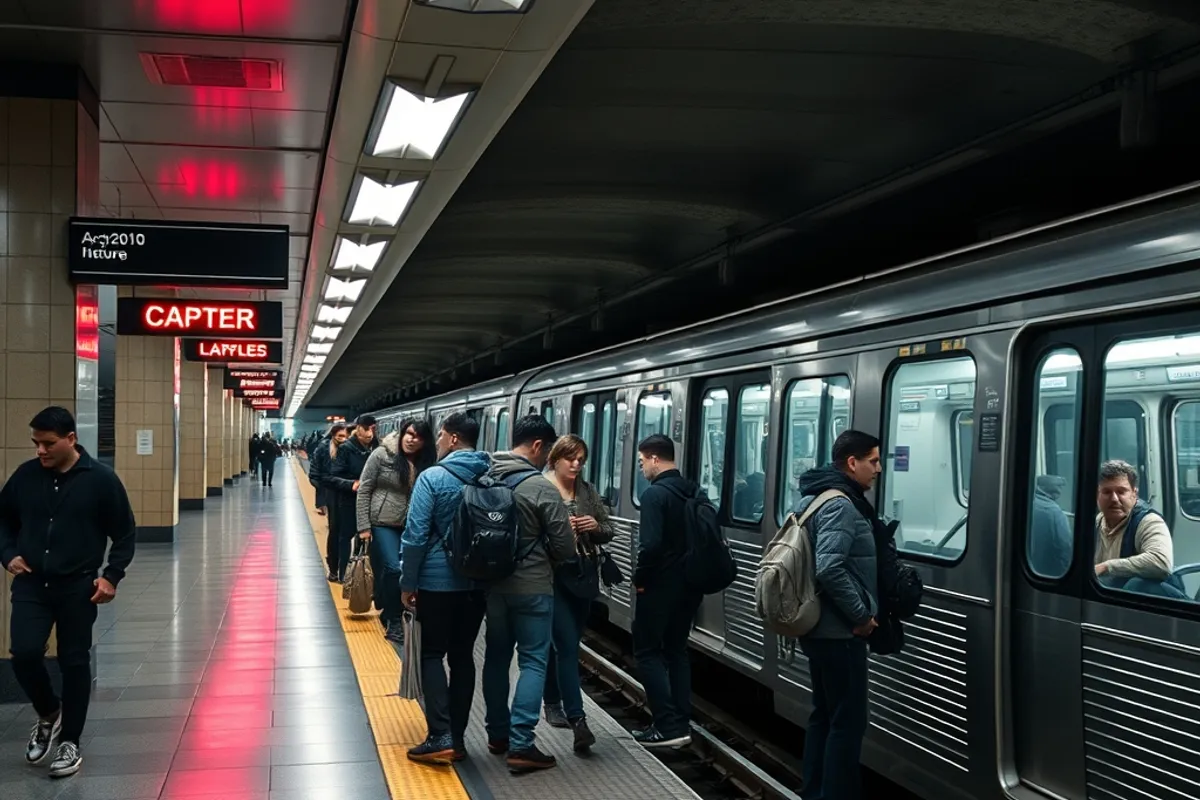
Tram 28 is the famous route through Alfama and Graca, and it fills fast. Ride it early or take tram 12 instead for similar scenery with fewer crowds. The metro covers the center quickly, and a Viva Viagem card stores single fares for about 1.80 euros.
Hills are real. Expect cobblestones and steep climbs, so pack shoes that grip. Funicular and elevator rides use the same stored credit.

Where to Stay by Budget
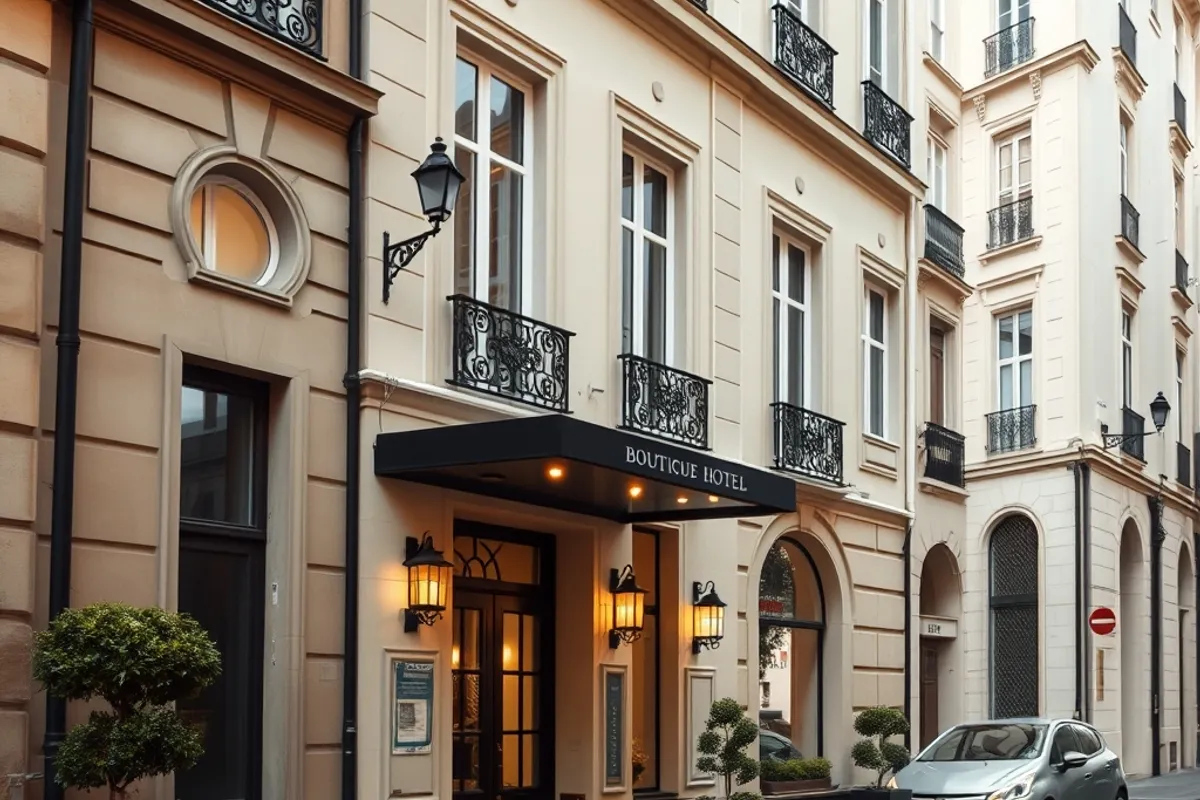
Hostels in Alfama and Baixa charge 25 to 45 euros for a dorm bed. Mid-range guesthouses start near 90 euros. Boutique rooms in Principe Real and Chiado run 150 to 250 euros in high season. Compare boutique hotels and read our check-in tips before you arrive late, since some keys sit in nearby shops.
Book earlier for April and September, when mild weather meets the heaviest demand. Apartments with a kitchen suit families and trim food costs, while hotel rooms near Rossio and Baixa spare you the steepest climbs. Check whether a listing sits above a late bar, because Alfama's music carries through thin walls until 2am. Many guesthouses sit in old buildings with no elevator, so ask about stairs if you carry heavy bags.
- Baixa for flat streets and easy metro access.
- Alfama for fado, river views and steep lanes.
- Principe Real for quiet nights and boutiques.
Food and Drink to Seek Out
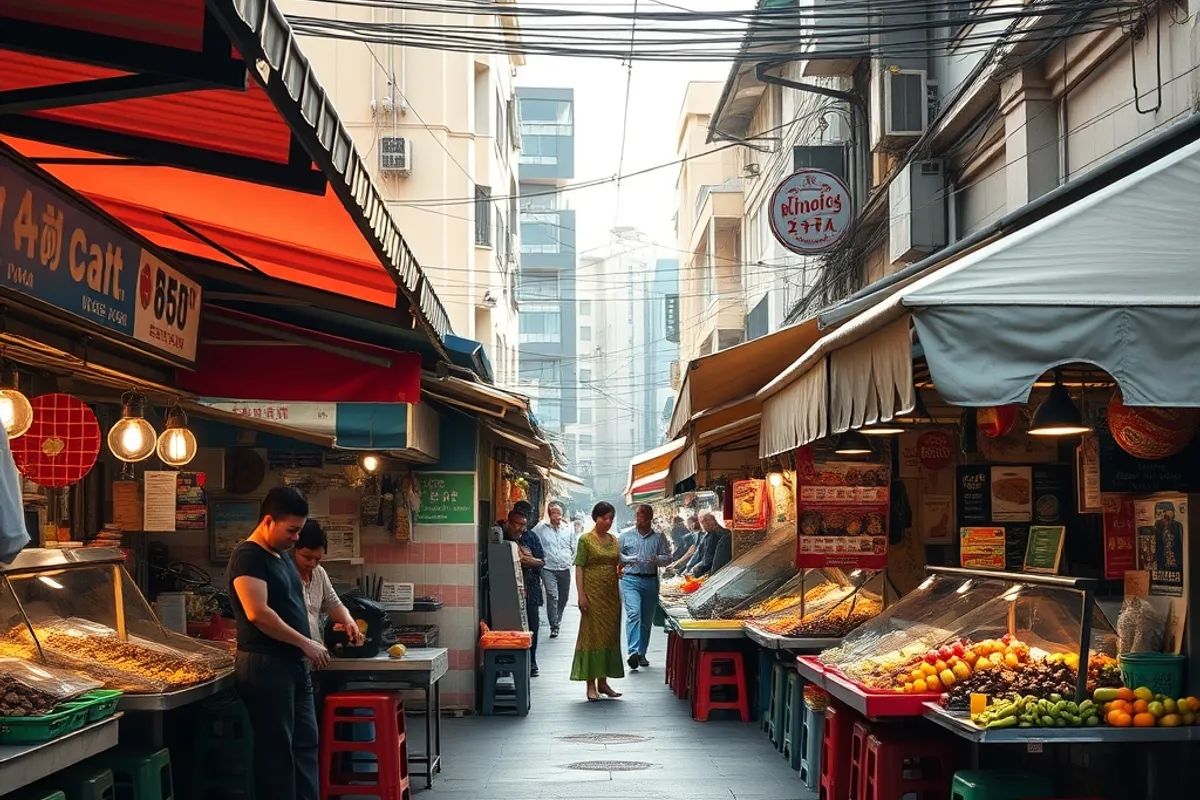
Breakfast means a pastel de nata and an espresso at a standing counter. Lunch at a tasca plates grilled sardines, bacalhau or a bifana for under 12 euros. Dinner stretches later, often past 9pm.
- Time Out Market for a quick survey of local kitchens.
- Cervejaria Ramiro for seafood and long queues.
- Graca for cheap, honest neighborhood grills.
Wine by the glass stays affordable, and most tascas bring bread and olives you pay for.
The Sintra Day Trip
Sintra sits about 40 minutes by train from Rossio station. Pena Palace and Quinta da Regaleira reward early arrivals before tour buses build. Buy the train ticket at the machine and skip the counter queue.
Wear layers, since Sintra runs cooler and wetter than Lisbon. Check conditions at the Red Cross safety pages if you hike the Moorish Castle trails.
Day Trips Beyond Sintra
Cascais offers a coastal train and calm beaches 40 minutes west. Setubal trades the city for dolphins and grilled fish across the river. Obidos makes an easy walled-town stop between Lisbon and Porto, and our other city guides cover similar day-trip planning.
Trains to Cascais and Sintra run often and cost little, so both fit a single day without a car. For Obidos, pair the walled old town with a stop in nearby Caldas da Rainha. Bus lines reach the Arrabida beaches south of the river, though the sand gets crowded on August weekends. Local ferries cross to Cacilhas for cheap grilled fish and a view back at the city. Most routes use the same rechargeable transit card.
- Cascais by coastal train for beaches and a market.
- Obidos for the walled old town and a night stop.
- Arrabida for coves reached by bus and ferry.
Costs and Practical Tips
A mid-range day costs 80 to 140 euros per person with lodging, meals and transport. Cards work almost everywhere, though small tascas prefer cash. Tipping is modest, usually loose change. Compare flights early for spring and autumn, the busiest windows.
Buy a rechargeable transit card at any metro station and top it up as needed. Supermarkets and bakeries charge far less than riverside cafes, so shop for water and snacks. In summer, hydrate and rest between 1pm and 4pm, when heat peaks and steep streets feel hardest. Most museums close one weekday, so check hours before walking uphill. Keep an eye on the time, since many kitchens shut between lunch and a late dinner service.
Lisbon rewards slow mornings and one long walk a day, not a checklist.