Tokyo in 2026 rewards travelers who plan around train lines, not landmarks. The city runs on punctual rail, cashless payments and neighborhood clusters that each feel like a separate town. This guide covers where to sleep, how to move, what to eat and what a week genuinely costs.
Best Neighborhoods for a First Visit
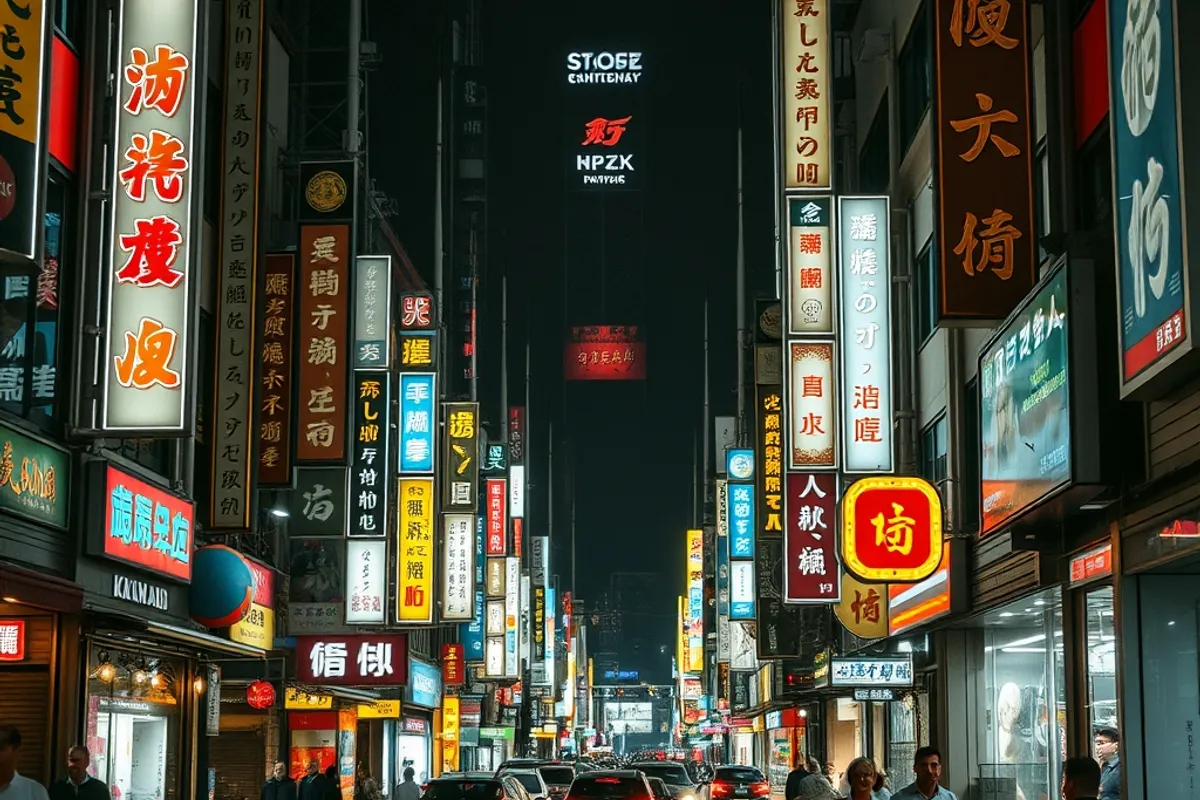
Shinjuku suits travelers who want late trains and dense nightlife. Shibuya draws younger crowds and shoppers. Asakusa keeps old-Tokyo temples and cheaper rooms. Ginza and Nihonbashi work for calm, mid-range hotels near the station. Ueno balances museums, markets and easy airport access from Narita.
Pick one base and resist moving twice. Twenty minutes on the Yamanote loop connects most of these districts, so changing hotels rarely saves time.
Understanding the Rail Network
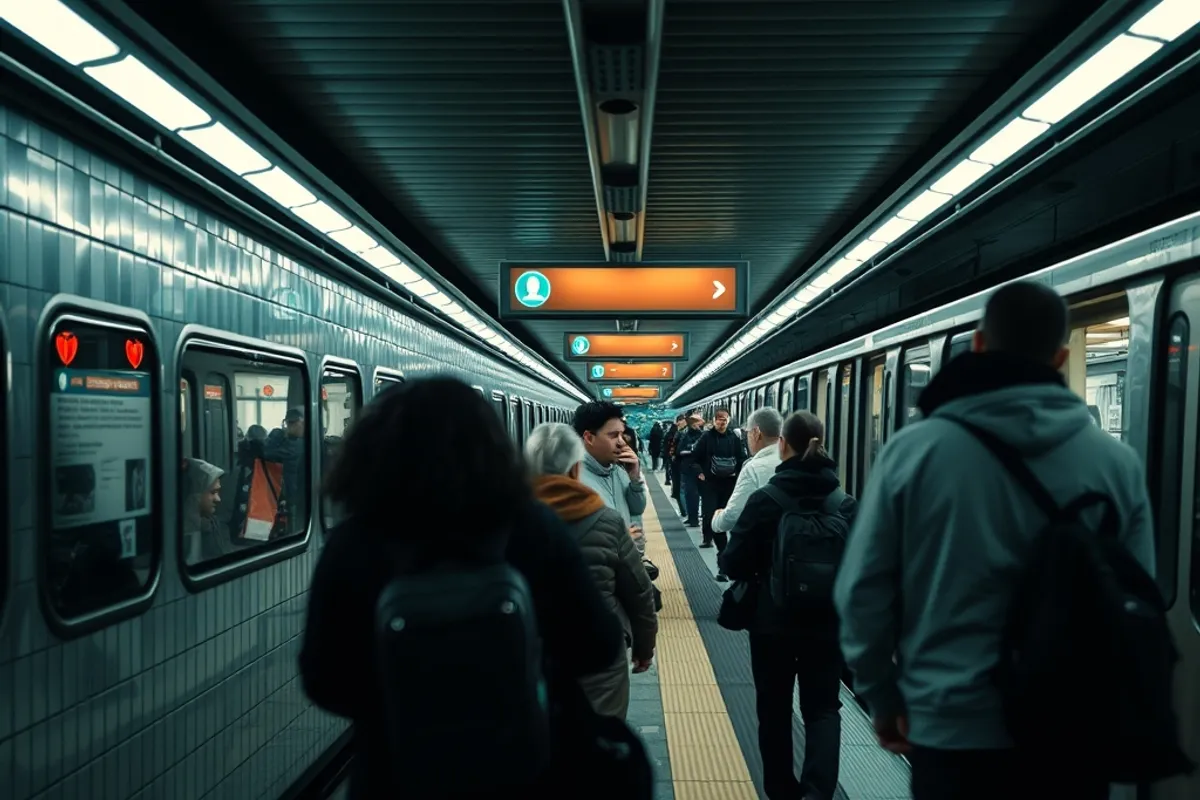
Two operators dominate: JR East and the private subway lines. The Yamanote loop circles central Tokyo, while the Chuo line cuts east to west fast. IC cards such as Suica and Pasmo now come as digital cards in Apple or Google Wallet, so load one before you land.
A day pass rarely beats a stored-value IC card for mixed travel. If you plan heavy sightseeing inside one subway zone, a 24-hour Tokyo Metro ticket near 600 yen can pay off.
Airport Transfers That Actually Work
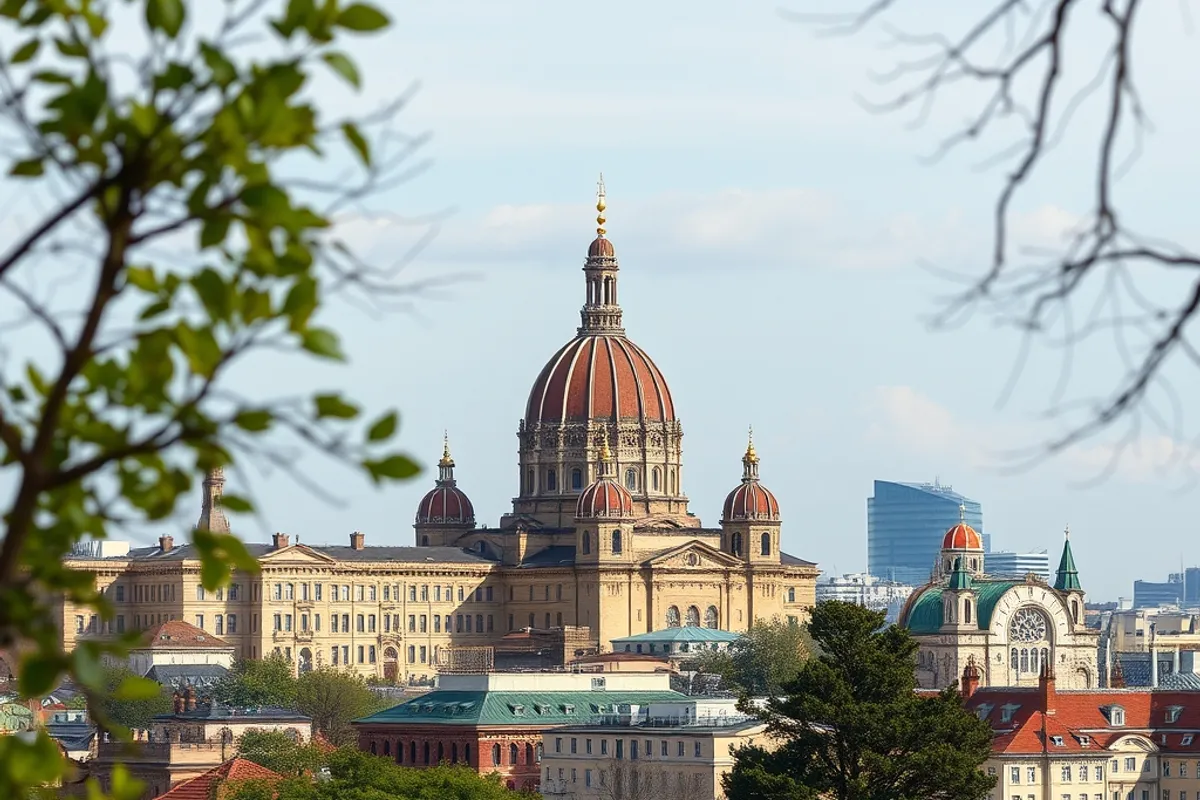
Narita sits roughly 60 kilometers east, so the Narita Express or Keisei Skyliner into the center takes about an hour. Haneda is closer and connects by monorail or Keikyu line in under 30 minutes. Book nothing before you compare a flat taxi fare, which climbs past 20,000 yen.
Travelers landing late should note that both airports keep trains running past midnight, but the last Narita Express leaves before 10pm. A shared shuttle van costs less than a taxi and drops passengers at major hotels. If your flight lands after 11pm, book a Haneda hotel for the first night instead of crossing the city tired and paying double. Taxis accept cards, yet few drivers speak English, so have your address written in Japanese.
Where to Stay by Budget
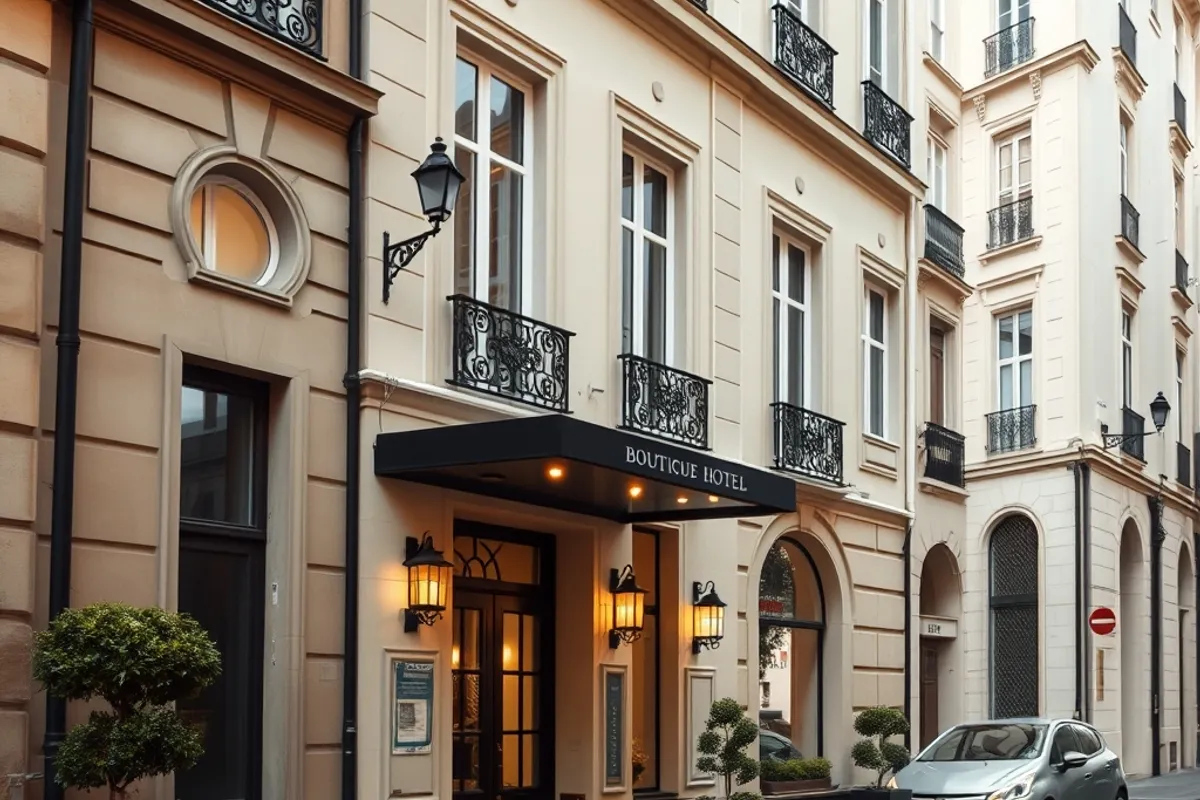
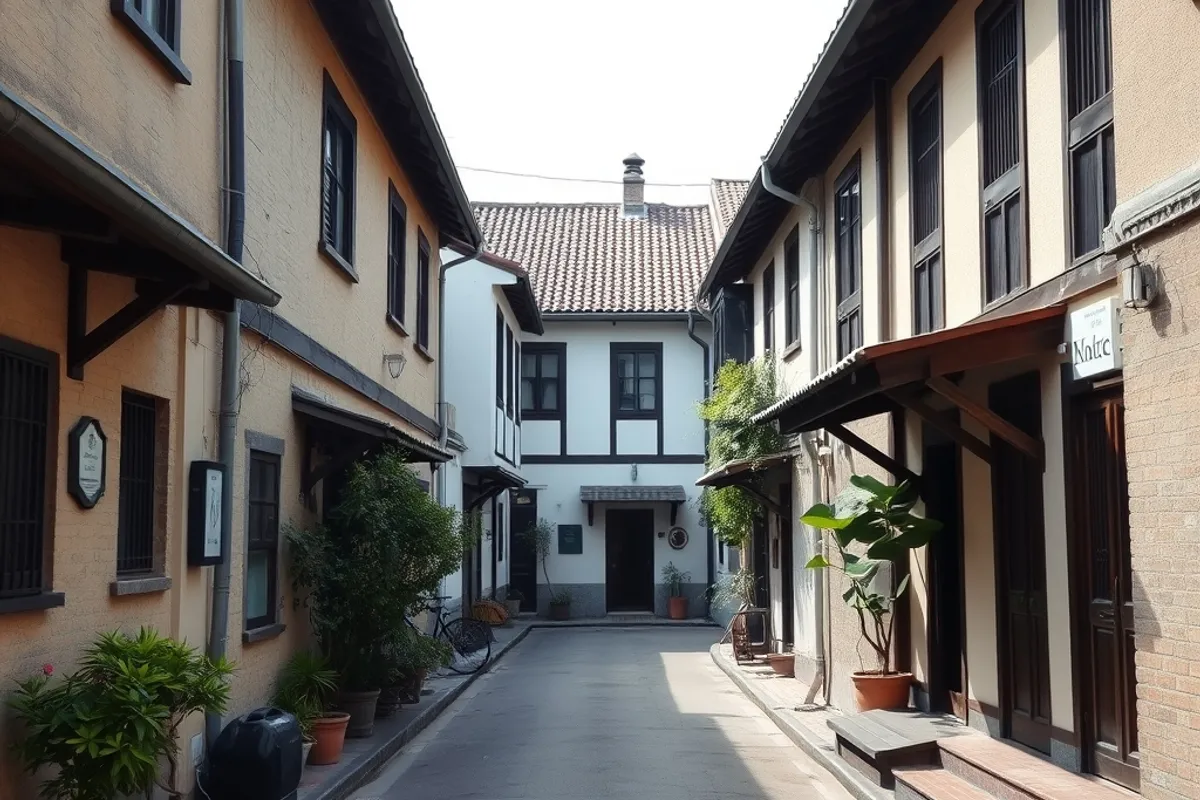
Business hotels near major stations start near 12,000 yen a night and stay small but clean. Hostels in Asakusa and Kuramae charge 3,500 to 5,000 yen for a dorm bed. Mid-range choices cluster around Ueno and Shinjuku. Compare city hotels before booking, and read our check-in tips since some front desks close after midnight.
Room size surprises first-timers. A twin at a business hotel may hold little more than two beds and a narrow desk, so unpack into the closet and take calls in the lobby. Rates rise sharply during cherry blossom weeks in late March and the New Year holiday, when booking three months ahead saves real money. Capsule hotels now offer private pods with a desk and locker, a cheaper option for solo visitors who still want a door.
What to Eat and Where
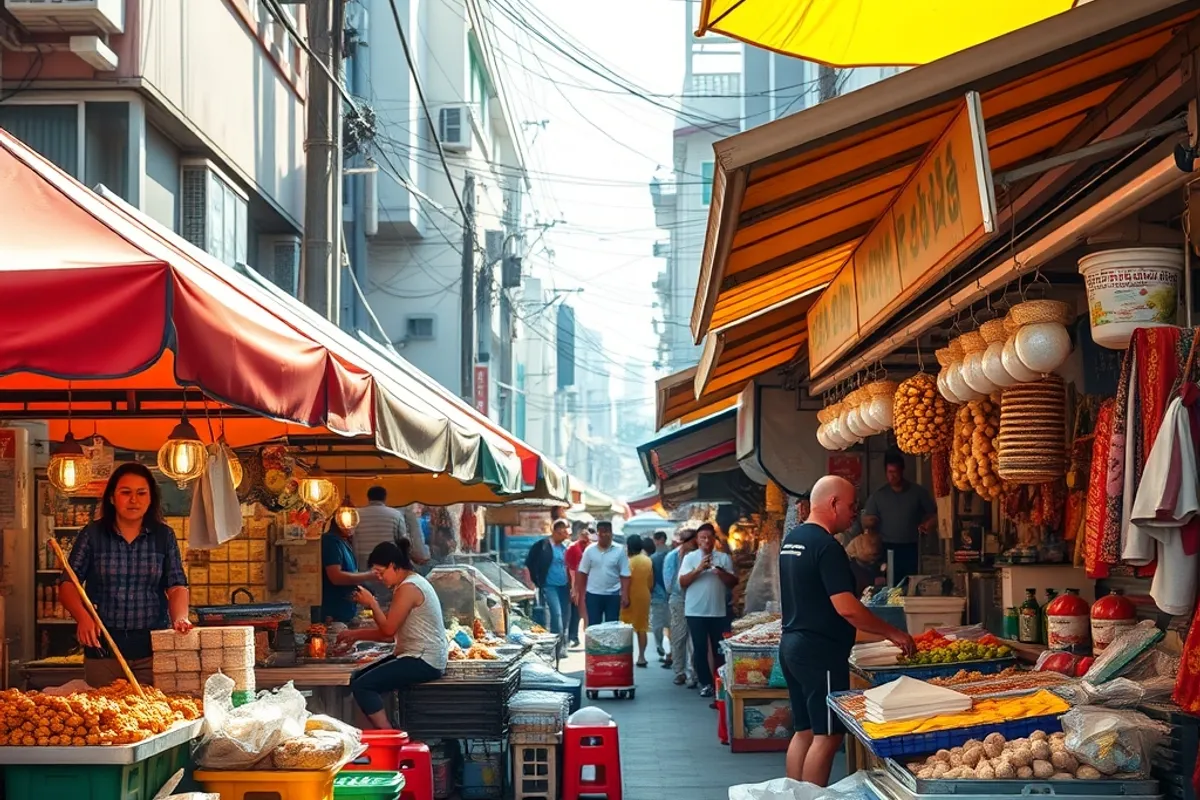
Breakfast often means convenience-store onigiri or a standing soba counter. Lunch deals at ramen and curry shops run 900 to 1,500 yen. Dinner ranges from 1,000-yen izakaya plates to 30,000-yen tasting menus.
- Tsukiji Outer Market for early seafood and rolled omelet.
- Omoide Yokocho in Shinjuku for grilled skewers.
- Depachika food halls for discount bento after 7pm.
Cash still helps at small counters, though most places now take IC cards and QR payments.
Day Trips Worth the Train Fare
Kamakura offers temples and a coastal train about an hour south. Nikko trades city heat for mountain shrines two hours north. Hakone delivers onsen and Fuji views when clouds cooperate. Check the forecast at the National Weather Service before committing to any Fuji-view trip.
Plan one day trip for every three days in the city. Kamakura pairs a giant bronze Buddha with a beach and takes a full day. Nikko's shrines sit among cedar forest and work as an overnight if you want calm. Kawagoe, north of the center, offers old storehouses and sweets within an hour. Yokohama, just south, adds a harbor, a ramen museum and a compact Chinatown for an easy half day.
Costs and Practical Tips
A comfortable day runs 15,000 to 25,000 yen per person, covering lodging, meals, transport and one paid attraction. Trains stop near midnight, so plan the last leg or budget for a taxi. Tipping is not expected. Compare flights early, since September and October stay busy, and our Lisbon city guide pairs well with a longer Asia-Europe trip.
Buy a portable Wi-Fi router or an eSIM before departure, since free public Wi-Fi stays patchy underground. Carry a small coin pouch for station lockers and shrine offerings. Pharmacies and convenience stores open late, which helps when jet lag wakes you before dawn. Learn a few Japanese phrases, because a polite greeting at a small restaurant often earns a warmer welcome and better advice.
Treat the rail map as your itinerary, and Tokyo stops feeling overwhelming.